
“The medicine of the future will give everyone the ability to become their own best healer.”
— Deepak Chopra
What is Regenerative Medicine?
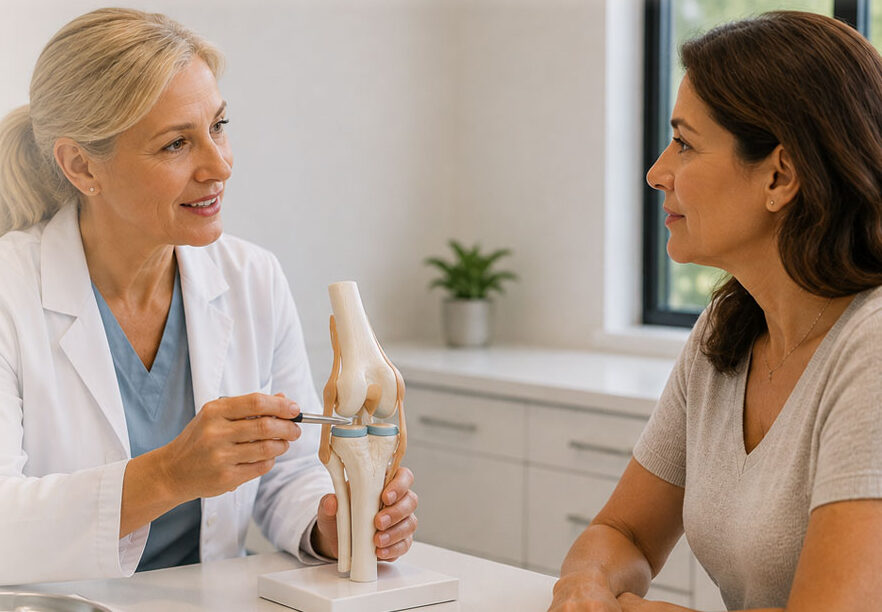
Imagine a treatment approach designed to support your body’s natural ability to repair, renew, and regenerate from within. Regenerative medicine focuses on working with your own biological systems to help optimize healing and recovery at the cellular level.
Treatments such as platelet-rich plasma (PRP) injections and other regenerative therapies are designed to support the body’s natural healing processes. These treatments may help improve function, mobility, and recovery for joint, tendon, ligament, and other musculoskeletal concerns caused by injury, overuse, or age-related changes.

Whether you’re a teen athlete, an active adult, or simply want to keep moving comfortably through every stage of life, regenerative medicine can support recovery, mobility, and function—helping you stay active and perform at your best.
Arthroscopic Surgery vs. Regenerative Joint Injections
If your doctor has told you that you qualify for arthroscopic surgery, you may still have options. Here's how some of the considerations associated with surgery compare with a regenerative approach.
Arthroscopic Surgery
Regenerative Joint Injections
Damaged Cartilage May Be Removed
When cartilage becomes frayed or damaged, arthroscopic procedures may involve trimming or smoothing the affected tissue to improve the joint’s condition. However, cartilage is an important part of the joint’s natural cushioning and protective surface. When damaged cartilage is removed, there may be less tissue remaining to cushion the joint. Over time, continued cartilage loss can contribute to the progression of osteoarthritis.
Works Without Removing Cartilage
With regenerative cells, there is no “filing down” of cartilage. It is your cells meant to heal your cartilage and tissue - without hurting what is already there.
Recovery Can Take Weeks
Arthroscopic surgery can require weeks of recovery, potentially affecting work, exercise, family responsibilities, and everyday mobility
Get Teatment And Get Back To Your Day
Our regenerative treatments are designed with your busy life in mind. In many cases, there is little to no downtime, allowing you to return to your normal activities following your appointment. No lengthy hospital stays. No weeks of rehabilitation. No complicated recovery process. Most appointments take approximately 30 minutes, so you can receive your treatment and get back to your day. Simple. Convenient. Designed around you.
Physical Therapy May Be Required
Rehabilitation or physical therapy may be recommended after arthroscopic surgery to restore strength, mobility, and range of motion. This can mean additional appointments, recovery time, and expense.
No Additional Rehabilitation Required
Our regenerative treatments are designed to support your body’s natural healing process—without adding lengthy rehabilitation or recovery services to your treatment plan. Less time. Fewer interruptions. A treatment designed to fit your life.
Insurance Doesn't Mean No Out-Of-Pocket Costs
Even when surgery is covered by insurance, deductibles, coinsurance, rehabilitation, braces, and time away from work can contribute to your total out-of-pocket cost. Depending on your plan, those expenses can add up quickly.
Know Your Treatment Costs Without Surprises
For some patients, the direct cost of regenerative treatment may compare favorably with their total out-of-pocket surgical expenses, particularly when recovery-related expenses and time away from work are considered.
BOTTOM LINE
Why wouldn’t you try regenerative medicine? It is your own body’s healing cells that can increase range of motion, decrease pain, and allow you to continue all of the activities you love — while not subjecting you to costly surgical risks, downtime, or side effects.
PLUS — You still have all of those options at a later date. If you still want to have a surgery, you can have one. If you still want steroid injections, you can have them. All traditional treatments are still open to you! The advantage of regenerative medicine is that you still have every opportunity without side effects or a lower quality of life!
Steroid Injections vs. Regenerative Joint Injections
Steroid injections are commonly used to temporarily reduce joint pain and inflammation. Regenerative joint injections take a different approach by supporting your body's natural healing processes.
Steroid Injections
Regenerative Joint Injections
Repeated Steroid Injections Can Affect Joint Health
Steroid injections may reduce pain—but what about the long-term health of your joint? While steroid injections can provide temporary symptom relief, repeated use deserves careful consideration when your goal is to preserve your joint for the long term.
Supports the Joint's Natural Healing Response
Regenerative treatments such as PRP use components derived from your own body with the goal of reducing inflammation and supporting the body’s natural healing response from within. Your cells. Your healing.
Temporary Symptom Relief
Steroids are powerful anti-inflammatory medications, but their effects are temporary. Depending on the patient and condition, relief may last from a few weeks to a few months. Repeated use can also carry risks to cartilage, ligaments, bone, and surrounding tissues.
Focuses on More Than Temporary Solutions
Regenerative treatments such as PRP (platelet-rich plasma) use components derived from your own blood to support the body's natural healing response and help address inflammation. A treatment designed to work with your body—not against it.
The Advantages of Regenerative Joint Injections
Minimally Invasive With Less Downtime
Regenerative joint injections are minimally invasive and and do not require the recovery and downtime of conventional surgeries. They also preserve the ability to consider surgical treatment later if it becomes necessary.
Supports Tissue Repair & Joint Function
While outcomes vary based on age, overall health, the condition being treated, and the extent of joint damage, research continues to evaluate regenerative therapies such as PRP and other biologic treatments for their potential to improve pain, mobility, and quality of life.
Benefits May Continue Beyond the Initial Treatment
Unlike treatments intended primarily for temporary symptom relief, regenerative therapies are designed to support the body's healing response over time. Individual results and the duration of improvement vary, and additional treatment may be considered based on your condition and response.
BOTTOM LINE
Why wouldn’t you try regenerative medicine? It is your own body’s healing cells that can increase range of motion, decrease pain, and allow you to continue all of the activities you love — while not subjecting you to costly surgical risks, downtime, or side effects.
PLUS — You still have all of those options at a later date. If you still want to have a surgery, you can have one. If you still want steroid injections, you can have them. All traditional treatments are still open to you! The advantage of regenerative medicine is that you still have every opportunity without side effects or a lower quality of life!
Total Joint Replacement vs. Regenerative Joint Injections
If you've been diagnosed with osteoarthritis and told that you may need a total joint replacement, you may want to explore your available options before moving forward with surgery. Here's how joint replacement compares with a regenerative approach.
Total Joint Replacement
Regenerative Joint Injections
Joint Replacement Is Irreversible
During total joint replacement, damaged cartilage and portions of the bone are removed and replaced with prosthetic components. Once this tissue has been removed, the original joint cannot be restored. If problems develop with the replacement in the future, additional surgery or revision may be necessary.
Preserve Your Joint & Keep Your Options Open
Regenerative joint injections are minimally invasive and do not require removing existing bone or cartilage. Treatments such as PRP use components derived from your own body to support the natural healing response, reduce inflammation, and potentially improve joint function while preserving surgical options for the future.
Joint Replacement Doesn't Guarantee a Pain-Free Outcome
Joint replacement can provide pain relief and improve function; but long-term results and quality of life vary. Some patients continue to experience pain, stiffness, limited mobility, or dissatisfaction following surgery, and prosthetic joints may require surgical revisions in the future.
Address Pain While Preserving the Natural Joint
Regenerative therapies are designed to support the body's natural healing response within the existing joint. Depending on the condition and individual patient, treatment may help decrease pain, improve mobility, and support better joint function before invasive surgeries.
Recovery Can Take Months
Total joint replacement is major surgery. Recovery commonly involves physical therapy, temporary activity restrictions, and a gradual return to normal mobility. Depending on the joint, procedure, and individual, full recovery can take several months.
A Minimally Invasive Approach With Less Downtime
Regenerative joint injections are performed as an outpatient treatment and generally require substantially less recovery time than joint replacement surgery. Appointments vary, but many take as little as 30 minutes, with your provider giving you individualized guidance about activity following treatment.
BOTTOM LINE
Why wouldn’t you try regenerative medicine? It is your own body’s healing cells that can increase range of motion, decrease pain, and allow you to continue all of the activities you love — while not subjecting you to costly surgical risks, downtime, or side effects.
PLUS — You still have all of those options at a later date. If you still want to have a surgery, you can have one. If you still want steroid injections, you can have them. All traditional treatments are still open to you! The advantage of regenerative medicine is that you still have every opportunity without side effects or a lower quality of life!
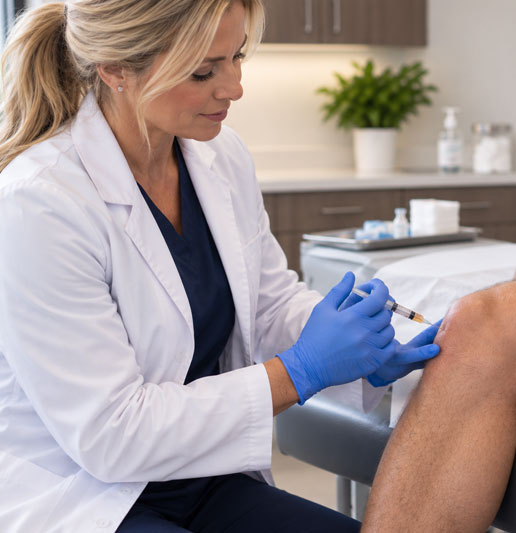
Regenerative Join Injections in Beaumont
Whether joint pain is keeping you from everyday activities, limiting your workouts, or preventing you from competing at your best, regenerative joint injections offer a targeted approach to supporting recovery and joint health.
At Revive Iron & Joint, we work with teen athletes and adults of all ages to address joint discomfort, overuse injuries, and activity-related concerns with personalized, medically guided treatment plans.
Our goal is to support the body’s natural healing processes, improve joint function and mobility, and help you move with greater comfort, recover effectively, and get back to the activities and sports you love.
Regenerative Medicine Benefits:
Frequently Asked Questions
Live Healthier, Move Better, Feel Stronger
Schedule an appointment for Regenerative Medicine in our Beaumont, TX office.
Call 409 – 219 – IRON (4766) or click here to request a free consultation.